







Origin of the Blue Nile

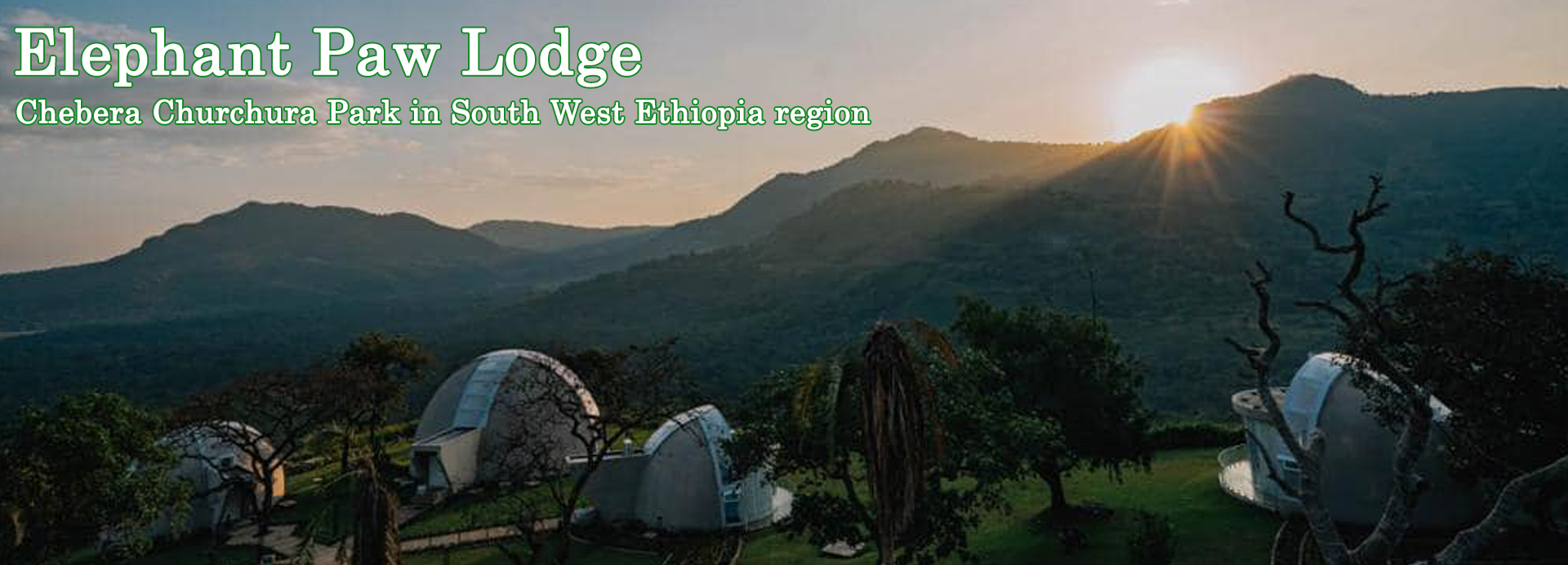
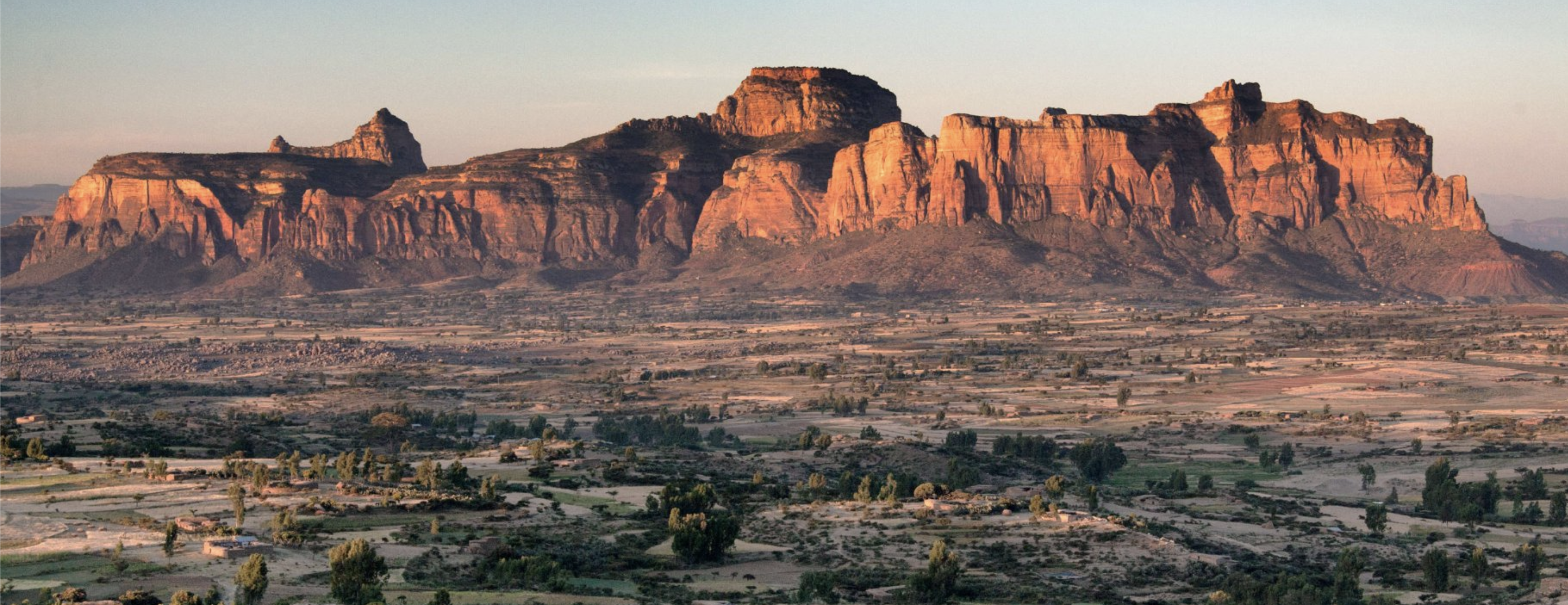
Breathtaking landscapes







Origin of Coffee

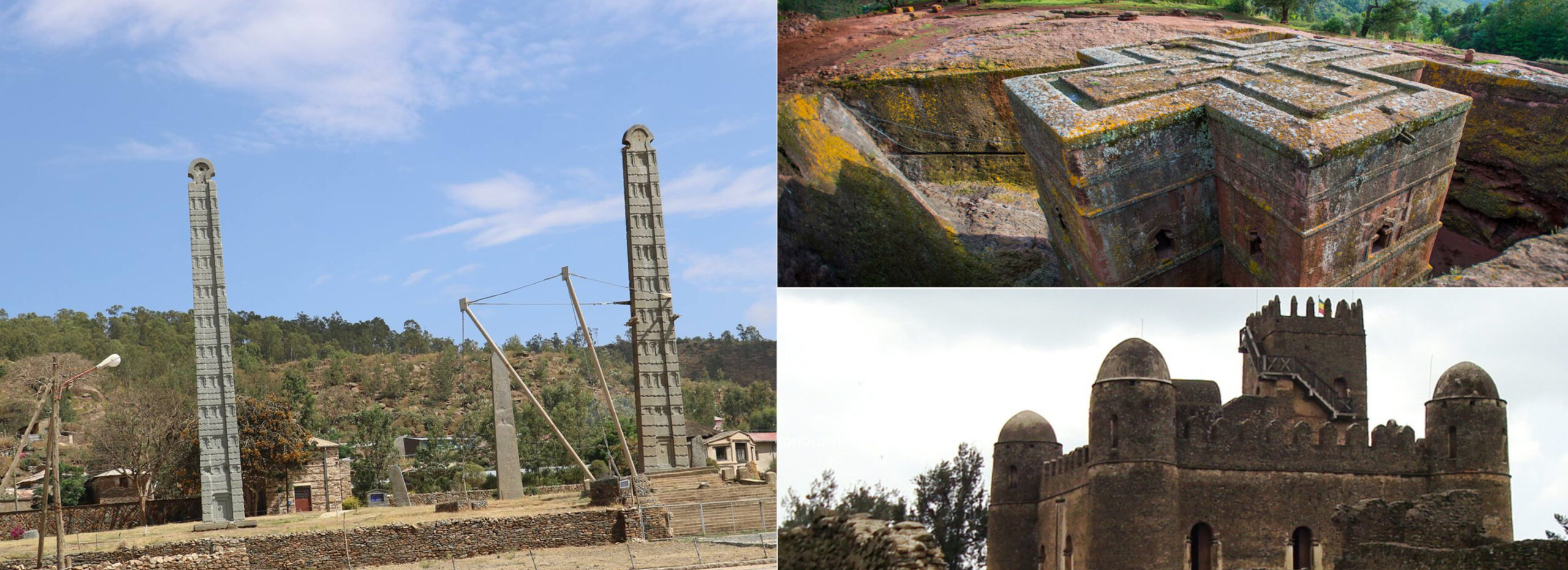
Origin of Ancient Civilization


Latest news and announcements
 “ETHIOPIA TAMRIT EXPO 2024” – Promoted in Brussels in Collaboration with the CBL-ACPMarch 29, 2024Ambassador Hirut zemene Kassa and Mr. Thomas De Belue, Secretary General of the Chamber of Commerce and Industry and Agriculture Belgium-Luxembourg, […]
 International Day of Forests themed “Forests and Innovation”March 21, 2024On the 2024 International Day of Forests themed “Forests and Innovation”, the world aspires to promote innovation to help the world’s forests, and […]
 Ethiopia takes part in the High level meeting of EU-AU partnership on Global HealthMarch 21, 2024Ethiopia, represented by H.E Ambassador Hirut Zemene(on behalf of H.E the Minister of Health Dr. Mekdes Daba), took part in the High-level […]
 Group of East African Ambassadors Exchange of views on challenges and opportunitiesMarch 20, 2024Group of East African Ambassadors Exchange of views on challenges and opportunities for East African pastoralist population. Extensive discussion […]
 H.E. Ambassador Hirut Zemene meets with H.E. Olof SKOOG, European Union Special Representative for Human RightsMarch 13, 2024H.E. Hirut Zemene, Ambassador Extraordinary & Plenipotentiary of the Federal Democratic Republic of Ethiopia to the Benelux countries and EU […]
 Ethiopia participates at the Investors Council meeting of CEPI in BrusselsMarch 13, 2024Professor Afework Kassu Gizaw, Director General of Armauer Hansen Research Institute has represented Ethiopia in the deliberations of the Investors […]